
 English
 Español
 Portugues
 Français
 Deutsch
 日本語
 한국어
 Italiano
 Türk dili

بطاريات الليثيوم إعادة تدوير
Lithium battery recycling is a critical process in addressing the growing environmental and resource challenges posed by the widespread use of lithium-ion batteries. These batteries are integral to modern technology, powering everything from smartphones and laptops to electric vehicles (EVs) and renewable energy storage systems. However, as the demand for lithium-ion batteries continues to rise, so does the need for sustainable end-of-life management. Recycling lithium batteries not only mitigates environmental harm but also conserves valuable resources and reduces reliance on raw material extraction.The recycling process typically begins with the collection and sorting of used batteries. Proper collection systems, such as dedicated drop-off points or take-back programs, are essential to ensure that batteries are safely handled and do not end up in landfills. Once collected, batteries are sorted based on their chemistry, size, and condition. This step is crucial because different types of lithium-ion batteries require specific recycling methods.After sorting, the batteries undergo a discharge process to eliminate any remaining charge, reducing the risk of fire or explosion during subsequent handling. The batteries are then mechanically shredded to break them down into smaller pieces. This step separates the battery components, such as the casing, electrodes, and electrolyte. The shredded material is further processed to isolate valuable metals like lithium, cobalt, nickel, and manganese, which are key components of lithium-ion batteries.Hydrometallurgical and pyrometallurgical methods are commonly used to extract these metals. Hydrometallurgy involves using chemical solutions to dissolve and separate the metals, while pyrometallurgy uses high-temperature processes to melt and recover them. Both methods have their advantages and challenges, with hydrometallurgy often being more environmentally friendly but less efficient for certain metals, and pyrometallurgy being more energy-intensive but capable of recovering a broader range of materials.The recovered metals can then be purified and reused in the production of new batteries, reducing the need for mining and lowering the environmental footprint of battery manufacturing. Additionally, recycling helps prevent the release of toxic substances, such as heavy metals and electrolytes, which can contaminate soil and water if batteries are improperly disposed of.Despite its benefits, lithium battery recycling faces several challenges. The process is complex and costly, requiring advanced technology and infrastructure. Moreover, the design of many lithium-ion batteries makes them difficult to disassemble and recycle efficiently. To address these issues, there is a growing emphasis on designing batteries with recycling in mind, such as using standardized components and reducing the use of hazardous materials.In conclusion, lithium battery recycling is a vital component of a sustainable energy future. It helps conserve finite resources, reduces environmental pollution, and supports the circular economy. As the demand for lithium-ion batteries continues to grow, improving recycling technologies and infrastructure will be essential to ensure that these batteries are managed responsibly at the end of their life cycle. Public awareness, regulatory support, and innovation in battery design will play key roles in advancing the recycling industry and minimizing its environmental impact.
نتاج
تصنيف:
بطاريات الليثيوم إعادة تدوير
-
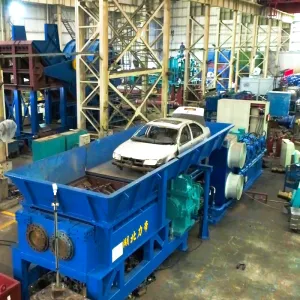
بطاريات الليثيوم إعادة تدوير
تصنيفها: بطاريات الليثيوم إعادة تدويرالمشاهدات: 2443عدد:وقت الإصدار: 2025-05-14 16:35:01إعادة تدوير وتجديد بطاريات الليثيوم الجديدة التي تم إيقافهاأصبحت إعادة تدوير وتجديد بطاريات الليثيوم الجديدة التي تم إيقافها عملية مهمة في معالجة الطلب المتزايد على حلول الطاقة المستدامة. تتضمن هذه العملية استرداد بطاريات الليثيوم المستخدمة وتفكيكها وإعادة المعالجة لتقليل نفايات الموارد وتقليل التلوث البيئي وتسريع الاقتصاد الدائري. من خلال تحويل بطاريات نهاية العمر إلى مواد خام قابلة لإعادة الاستخدام مثل الليثيوم والكوبالت والنيكل ، تضمن هذه الممارسة الامتثال لأهداف الاستدامة والمعايير التنظيمية. أدناه ، نستكشف خصائص ومزايا وتطبيقات هذه العملية بالتفصيل.---صفات1. الاستدامة البيئية تلعب إعادة...
أخبار
تصنيف:
لا توجد نتائج بحث!
حالة
تصنيف:
لا توجد نتائج بحث!
فيديو
تصنيف:
لا توجد نتائج بحث!
تحميل
تصنيف:
لا توجد نتائج بحث!
تجنيد
تصنيف:
لا توجد نتائج بحث!
المنتجات الموصى بها
لا توجد نتائج بحث!


 هاتف